A bit about me
Hey there! I'm Sam Rubin, a piano teacher in the Santa Monica area.
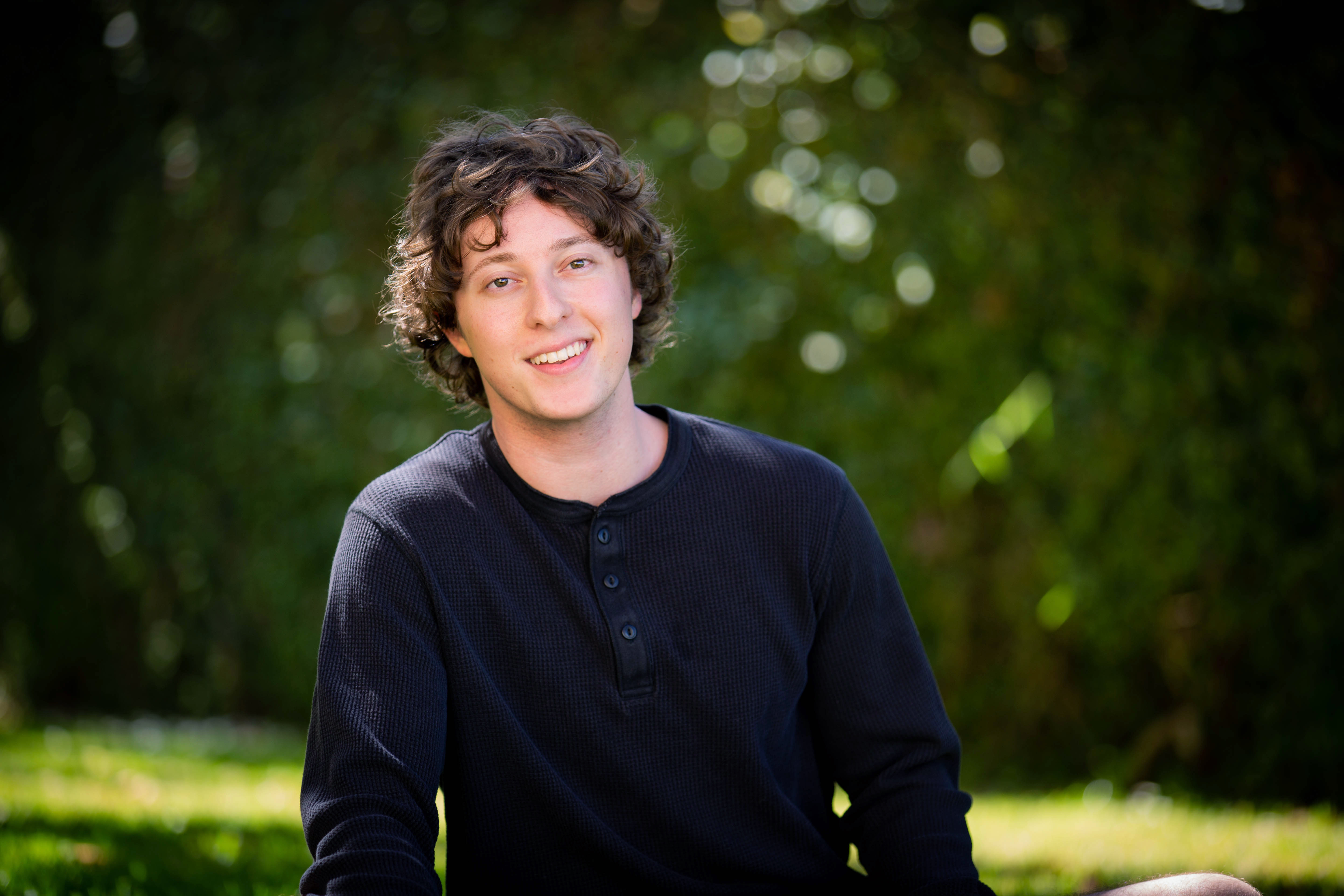
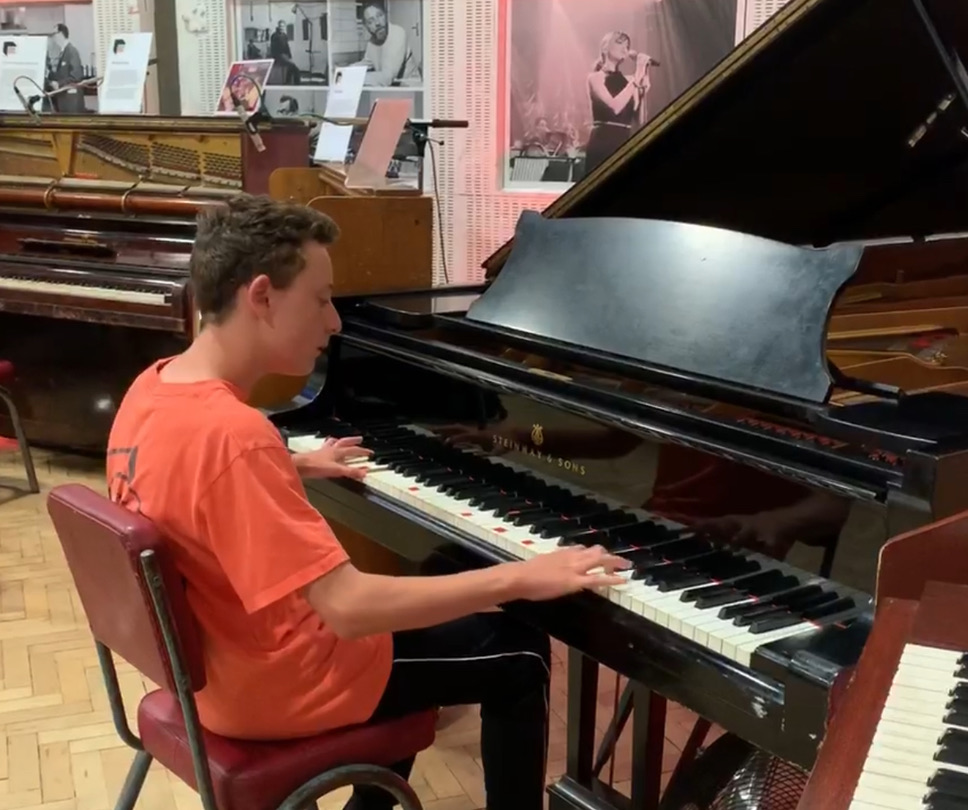
Hey there! I'm Sam Rubin, a piano teacher located in the Santa Monica area. My piano journey began in 3rd grade, learning the songs from my favorite video games on the old dusty piano in the corner of the living room using YouTube tutorials.
From that moment, I was hooked, and I couldn't stop playing.
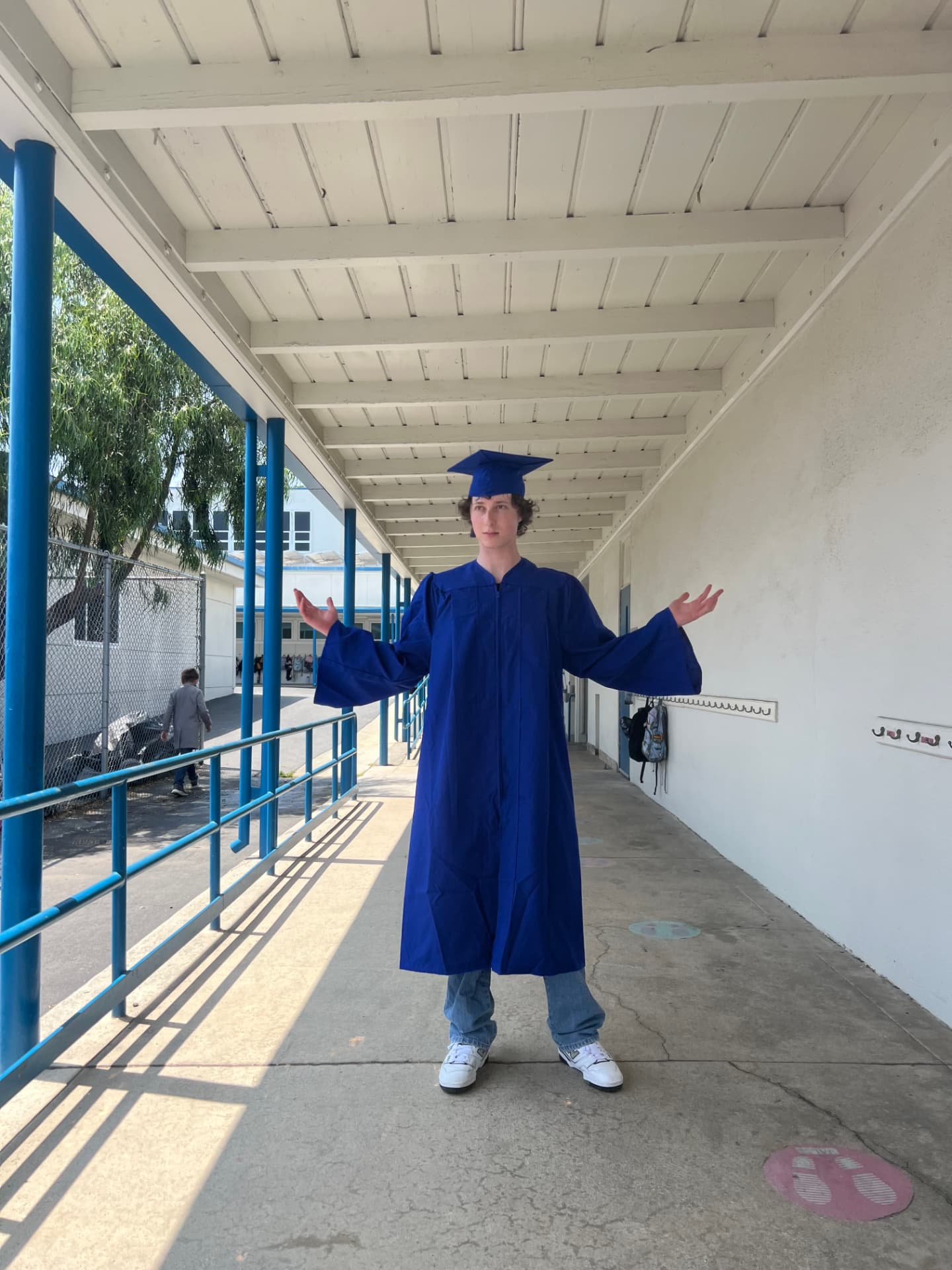
Growing up in the SMMUSD Music Program
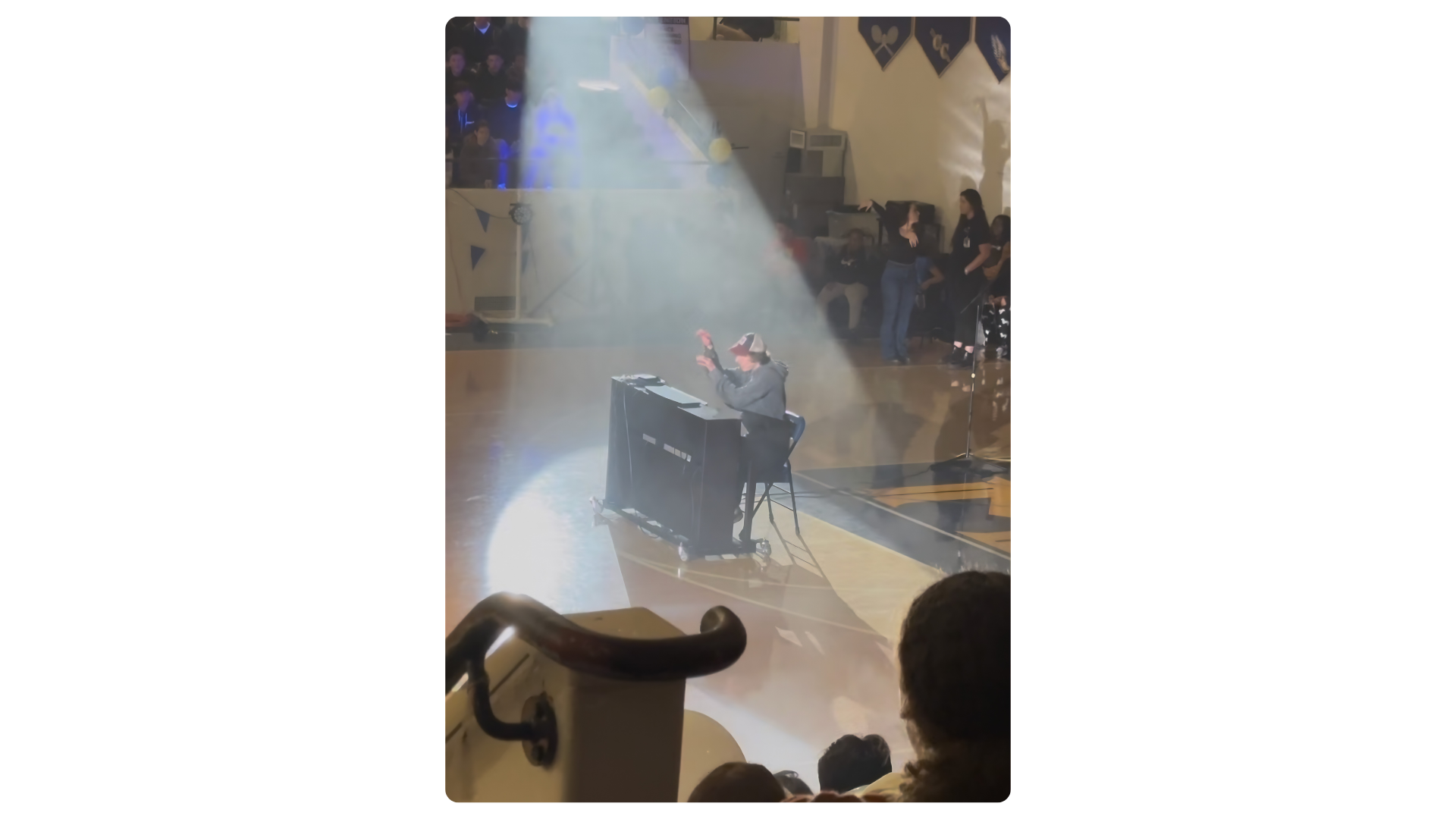
I grew up playing music in the SMMUSD Music Program from elementary school all the way through my graduation from Samohi. (Go Vikings!) I picked up the trumpet in fourth grade and eventually earned the second-chair spot in the top Symphony by eighth grade, before spending my high school years singing Bass and Tenor for the top choir. But over my nine year journey through the program, piano stood at the forefront of my musical interests.
The lesson that changed how I teach
My decision to study at Berklee College of Music was made with full confidence, as music had been the catalyst for so many amazing opportunities and experiences in my life so far. However, upon arriving, I was met with the incredibly disappointing truth that a music curriculum, no matter how well-researched, wouldn't fit with everyone's musical backgrounds, learning styles, and goals.
In my first few lessons at the college, my piano teacher was baffled at my “unorthodox” abilities. I was reading music at a 3rd semester level, harmonizing at a 5th semester level, but my technique was something she'd never seen before, and labelled as “incorrect.” From that point on I felt as if I'd been set back, and had to spend 10 times as long to learn a song, that should've been so easy.
I watched brilliant peers begin to dread the instruments they once loved because they felt forced to start from square one. I realized then that a rigid, one-size-fits-all approach can actually stifle the very spark that makes us want to play in the first place.
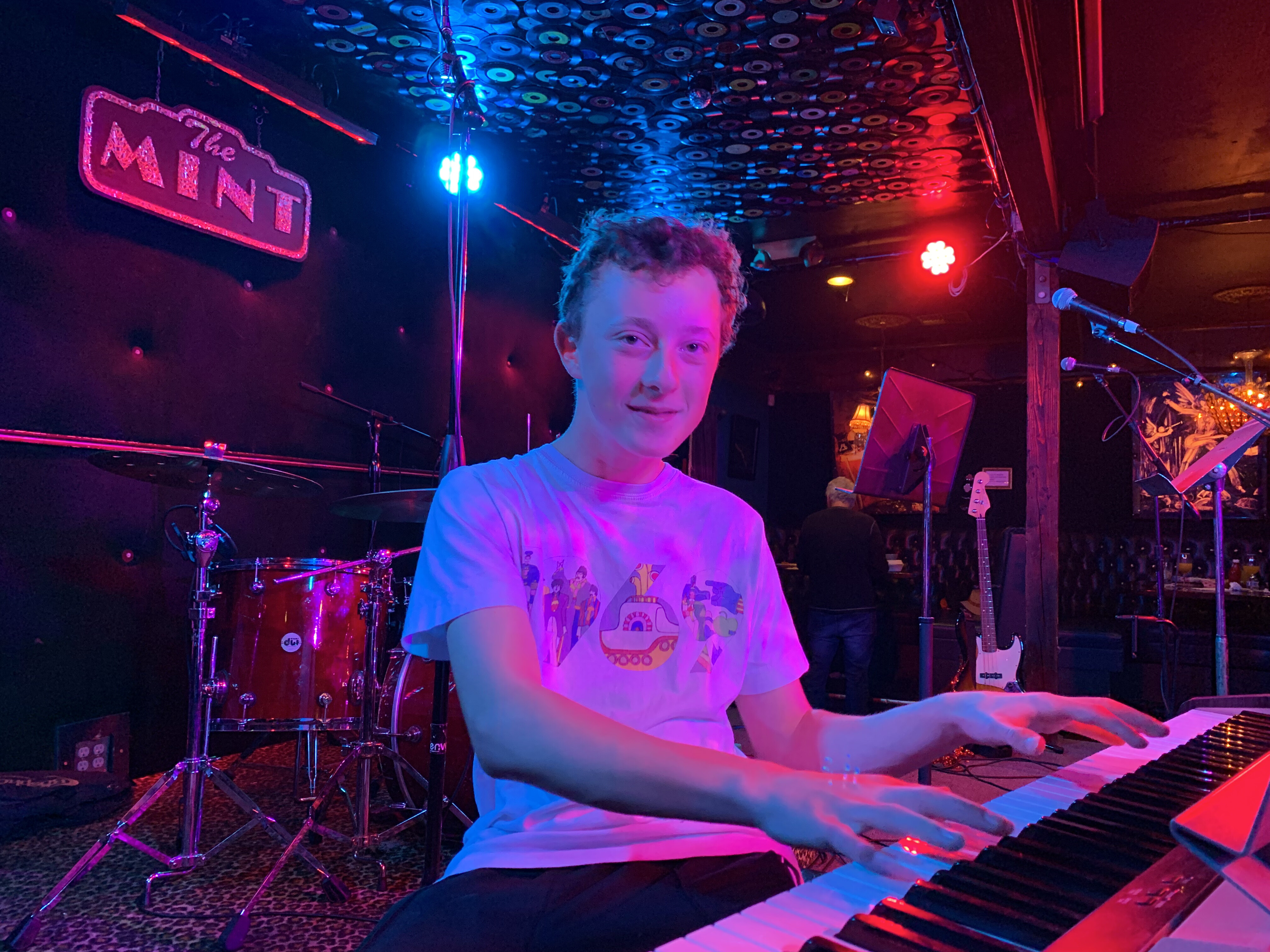
Why I Teach
Music is a powerful and potentially life changing form of art that dates back tens of thousands of years to when our ancestors played bone flutes in the most resonant corners of caves. Today, we are surrounded by AI-generated playlists; music that is efficient and cheap. No matter what the future holds, the act of creating and playing music will always be uniquely human. It belongs to us.
My mission as a teacher is to protect that human connection, ensuring that my students don't just learn to follow a page, but learn to find their own voice in an increasingly automated world.
A rigid, one-size-fits-all approach can actually stifle the very spark that makes us want to play in the first place.